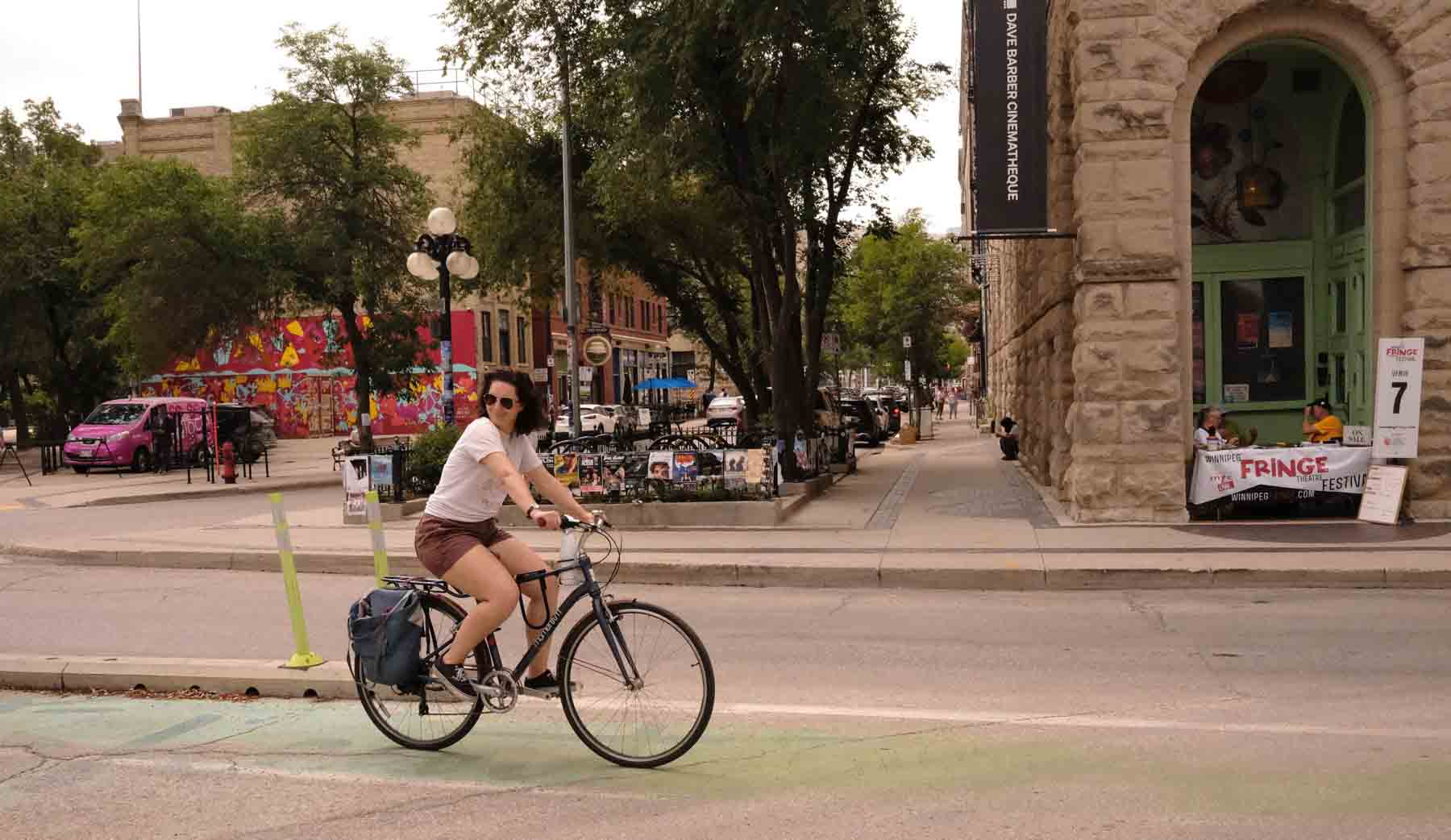

There are a ton of benefits to making your workplace more amenable to different modes of commuting including improved employee physical and mental wellness, time and cost savings, and reducing greenhouse gas emissions. The ability to commute to work easily and through a variety of different modes has become an increasingly important factor that is shaping where people are deciding to work. It’s no surprise then that making it easier for people to commute in active and sustainable ways has become a key aspect of many employee retention and satisfaction strategies.
The strategies below may not all be possible within every workplace, but implementing even just a few can make it easier for both employees and employers to reap the benefits of active and sustainable commuting.
Policies:
- Flexible Start and End Times
It may seem small, but even allowing employees greater flexibility around when they start and end their work day can make a big difference. For those who take transit, having the flexibility to shift your work schedule by as little as fifteen minutes may allow you to catch a less crowded bus, or line up transfers in a way that limits your time spent waiting at the bus stop. This flexibility can also benefit cyclists, who might prefer to commute outside of peak travel times when there are fewer vehicles on the road.
- Work From Home Policies
The pandemic taught both businesses and employees that it is not only possible to work effectively from home, but that doing so can give people a greater work-life balance by reducing their time spent commuting. There are certainly benefits to being in a shared workplace, but allowing employees to work from home a couple days a week can cut their transportation costs and reduce overall greenhouse gas emissions.
- Casual Dress Code
Though some workplaces may need their employees to be dressed professionally at all times, supporting a casual dress code if and when appropriate can help those commuting through active modes like biking do so more comfortably. If a casual dress code isn’t possible, ensuring that employees have a place to change or even shower at work can be a great alternative!
- Preferential Parking for Carpoolers
If you’re looking for a simple way to incentivize carpooling, priority parking might be the way to go. A few priority parking spots near the front door can make carpooling seem much more appealing when it’s -30C outside! This preferential parking can also be easy to enforce, as fellow carpoolers will be your eyes on the ground if the spaces are being misused. All you need to get started is some durable signs to indicate which spots are reserved for carpoolers, and an email or posters letting employees know about the spots and how they can get one.
- Four Day Work Week
There are a growing number of businesses in Canada and across the world that have moved to a four-day work week. While there are a few different compressed work week models out there, the most successful involves paying employees full time wages to work four days a week. This is referred to as the 100-80-100 model, meaning 100% of wages for 80% hours at 100% productivity.
Though it may sound counter intuitive, this model has been shown to benefit not just employees, but also employers. The employees who participated in pilot studies reported reduced stress, burnout, and family conflict along with improved mental and physical health and life satisfaction. This translated into related benefits for employers like improvements in retention and recruitment, reduced sick time, and increased revenue. As such, the majority of employers who piloted a four-day work week model chose to continue with it after the pilot study had concluded.
Read more about the benefits of this model in Canada here.
Programs or Benefits:
- Become a GoManitoba Network Partner
GoManitoba is the Green Action Centre’s sustainable transportation hub, connecting commuters across the province with potential carpool partners and bike buddies, as well as optimized routes and trip statistics. It is now FREE for workplaces to join, making it easier for employees to find carpool matches within their organization.
You can learn more about GoManitoba here.
- Winnipeg Transit EcoPass
The Winnipeg Transit EcoPass program allows employers to offer monthly bus passes to their employees at a discounted rate. The employer decides what level of discount they would like to provide, Winnipeg Transit rebates a portion of the discount back to the employer, and participating employees pay the balance.
Find more details about the program here.
- Peg City Business Account
There are many people who are interested in commuting to work sustainably, but feel they can’t because they need their car to travel to meetings throughout the workday. If you are in Winnipeg and your employees regularly commute for work, consider a Peg City Car Co-op Business Plan. This will allow your employees to access Peg City’s fleet of cars throughout the city! Contact Peg City to find out if they have a plan that’s right for your business.
- Transportation Allowance
Though we don’t always think about it, many workplaces unintentionally encourage employees to drive through free or subsidized parking. This can be avoided by charging the market rate for parking and offering a transportation allowance instead. The employee can then use this allowance to pay for a parking spot, or put that money towards a bus pass, bike maintenance costs, or good walking shoes. This kind of policy levels the playing field between different commuting methods and acknowledge that there is a cost associated with providing parking.
- Cash-in-Lieu of Parking
If there is significant parking pressure at your workplace, a cash-in-lieu of parking program can be a great way to push people to try commuting by other modes. This means giving employees a choice between keeping their parking spot, or accepting a monthly cash payment to give it up. This is also sometimes called a “parking cash out.”
- Bike or Transit Mileage Reimbursement
If your workplace provides mileage reimbursement for employees who drive for work-related activities, consider a similar program for employees who choose to bike or ride the bus instead when these options are feasible. This can be as simple as keeping transit tickets on hand for employees taking short trips.
Infrastructure and Location:
- Secure Bike Parking
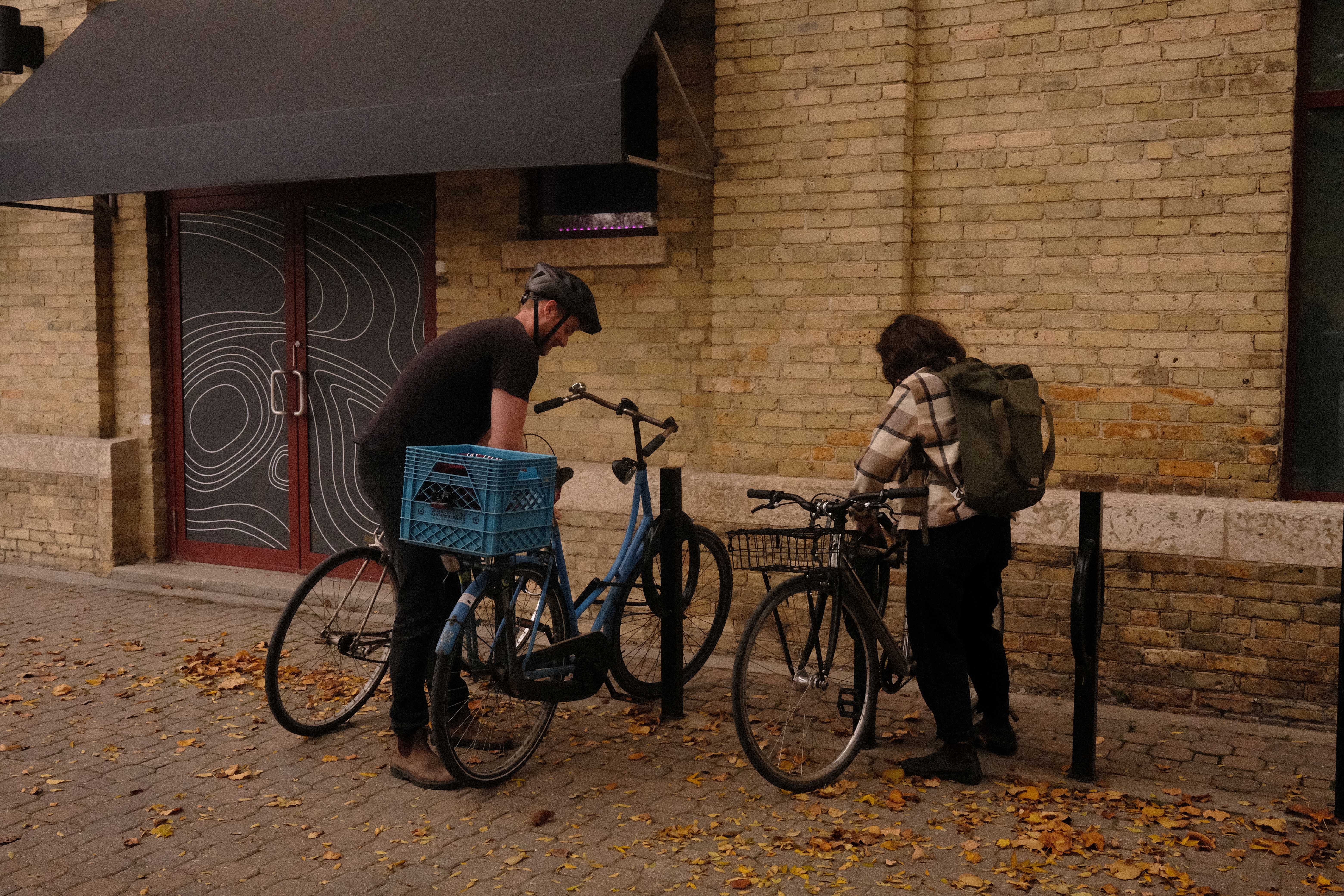
There is no question that potential bike theft is a major barrier for many would-be cyclists. Though a good bike lock is a great start, employers can help by providing secure bike storage like bike cages, bike lockers, or even a place to store bikes inside the building.
- Bike Repair Kit
A simple way to support those who want to cycle to work is to keep a basic bike repair kit in an easily accessible spot at your workplace. This can be as simple as a bike pump, a set of allen keys, a couple screwdrivers, and some wrenches. If you want to go the extra mile, put a sign up about the kit somewhere visible so that visiting clients can take advantage of it if they need to!
- Showers, Locker Rooms, and Change Rooms
It’s easy to work up a sweat while actively commuting to work, especially on a hot summer day! Providing a space for employees to change, freshen up, or even shower if possible can help those who worked up a sweat on their commute feel better going into the rest of the work day.
- On-Site Bike Fleet
Why drive to a meeting when you can bike? If employees are frequently attending meetings relatively close to your workplace, an on-site bike or e-bike fleet might be a good option for you! These kinds of programs have already found some success in Winnipeg, like this one at Red River College Polytechnic.
There are a few things you should have in place before starting a bike fleet like a sign-out form, a terms and conditions of use document, a waiver, and a maintenance and repair process. If you are interested in getting a bike fleet at your workplace, reach out to gohappy@greenactioncentre.ca to help you get started!
- Central or Connected Location
If you are moving or choosing a new site location, make sure you consider factors like level of transit service, proximity to amenities like restaurants, daycares, and shops, as well as how amenable the area is to bikes and pedestrians. Whenever possible, make these factors a priority when deciding where to set up your business!
If you are interested in learning more about which of these strategies are best for your workplace, email Green Action Centre at gohappy@greenactioncentre.ca to learn more about our GoHappy Consulting services!
More Resources
More Blog Posts
More Events
Other Presentations/Workshops

Changing Lanes Wrap-Up
On February 25th Green Action Centre welcomed Todd Litman to Winnipeg for a series of meetings and presentations to share his research at the Victoria Transport Institute at Changing Lanes: Better Value For Winnipeg’s Transportation Investments.
Changing Lanes Wrap-Up
On February 25th Green Action Centre welcomed Todd Litman to Winnipeg for a series of meetings and presentations to share his research at the Victoria Transport Institute at Changing Lanes: Better Value For Winnipeg’s Transportation Investments.


E-Scooters and Bikes | They're Here
If you’ve been passed by a soaring e-bike or nearly run off the sidewalk by an e-scooter, you’re probably saying “the city ought to have some rules about this!!”
E-Scooters and Bikes | They're Here
If you’ve been passed by a soaring e-bike or nearly run off the sidewalk by an e-scooter, you’re probably saying “the city ought to have some rules about this!!”