Learning how to Manage Waste Properly at School!

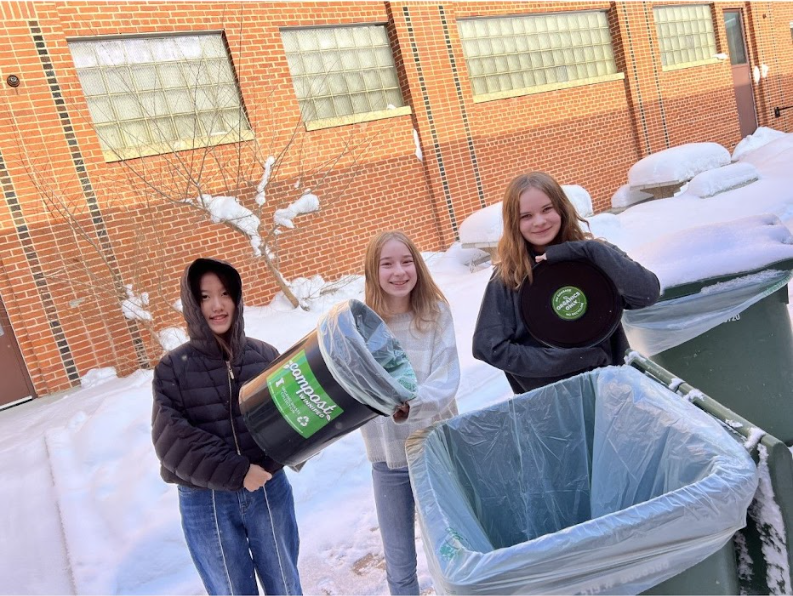
Green Action Centre recently developed a waste reduction program for École River Heights School. Based on the school’s climate science curriculum, students have already taken part in three out of the four total sessions in the program.
Students started off by learning basic information on climate change, intermediate information on linear and circular waste systems, and advanced information on what items belong in what waste stream – and why they belong there. The majority of people unknowingly practice improper waste management on a regular basis: placing non-recyclables in the blue bin, such as disposable coffee cups, recyclables that are dirty or full of food, and the habit of throwing out everything in general. These are a few of the misinformed waste routines that we, at Green Action Centre, are working to change. By teaching students about waste early on, such common waste habits will soon be a thing of the past.
The students got their hands dirty and conducted a waste audit of the entire school: 450 students and 18 homerooms all in one day! Here are the results of the waste audit:
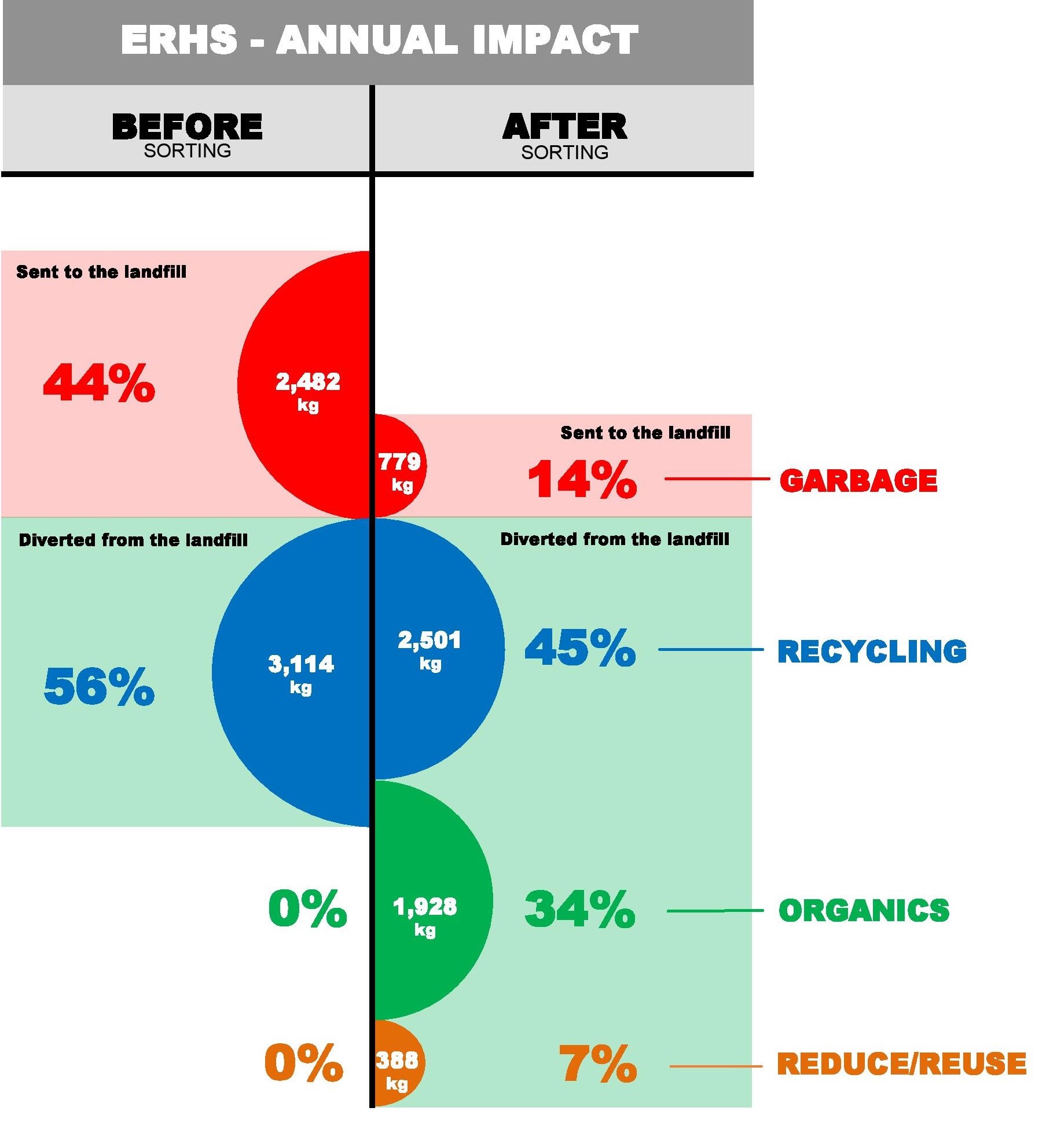
The students found that only one third of their garbage is actually garbage! Most of it is organic waste, recyclable, reducible or reusable. These can all be diverted from the landfill with proper waste reduction practices. The biggest takeaway is that a whopping one third of all the waste the school produces is organic waste, which can be composted! École River Heights School has already begun taking action to improve their waste practices. As of late December 2022, the school has been receiving organic waste pickup services from Compost Winnipeg. The school and the students are well on their way to becoming waste experts!
More Resources
More Blog Posts
More Events
Other Presentations/Workshops



Harvest Time | Tips, Tricks and Preservation
Depending on the size of your garden, harvest may be a bit of an undertaking. Here are some basics tips to get you started.
Harvest Time | Tips, Tricks and Preservation
Depending on the size of your garden, harvest may be a bit of an undertaking. Here are some basics tips to get you started.

Green Commuting Options
Get the tools and tips you need to ride your bike, hop on a bus, carpool, or walk to work and elsewhere. Learn how to use the various transit tools, plan your route to bike to work, and begin thinking of your daily travel options in a whole new way. Create a commute that you�ll enjoy!
Green Commuting Options
Get the tools and tips you need to ride your bike, hop on a bus, carpool, or walk to work and elsewhere. Learn how to use the various transit tools, plan your route to bike to work, and begin thinking of your daily travel options in a whole new way. Create a commute that you�ll enjoy!

Bike Route Planning
Learn the ins and outs of the Winnipeg Cycling Map to plan a bike route that suits your comfort level. Become familiar with the various types of infrastructure � from cycletracks to sharrows to bike lanes. Find tips and tools to help you ride more often to more places.
Bike Route Planning
Learn the ins and outs of the Winnipeg Cycling Map to plan a bike route that suits your comfort level. Become familiar with the various types of infrastructure � from cycletracks to sharrows to bike lanes. Find tips and tools to help you ride more often to more places.

Buy Less, Fix More, Trade Often
Have you ever thought about the resources required to make your cell phone? Or what it took to produce the jeans you are wearing? From resource extraction to disposal, the materials economy has created a linear system of consumption on the finite planet we call home. This presentation covers ways to help our planet � buy�less,�fix�more, trade often, and divert all waste from the landfill.
Buy Less, Fix More, Trade Often
Have you ever thought about the resources required to make your cell phone? Or what it took to produce the jeans you are wearing? From resource extraction to disposal, the materials economy has created a linear system of consumption on the finite planet we call home. This presentation covers ways to help our planet � buy�less,�fix�more, trade often, and divert all waste from the landfill.