
Water Pollution Activity for Kids

This fun activity is all about how we can reduce water pollution. Kids will learn how important it is to keep rivers, lakes, and oceans healthy. This activity is best done outside because it will likely be a little messy!
Materials: Bucket of water, dirt, leaves/woodchips/grass, food colouring, and a spoon.
Step 1: Fill up the bin with water. Show your child how clean it is.

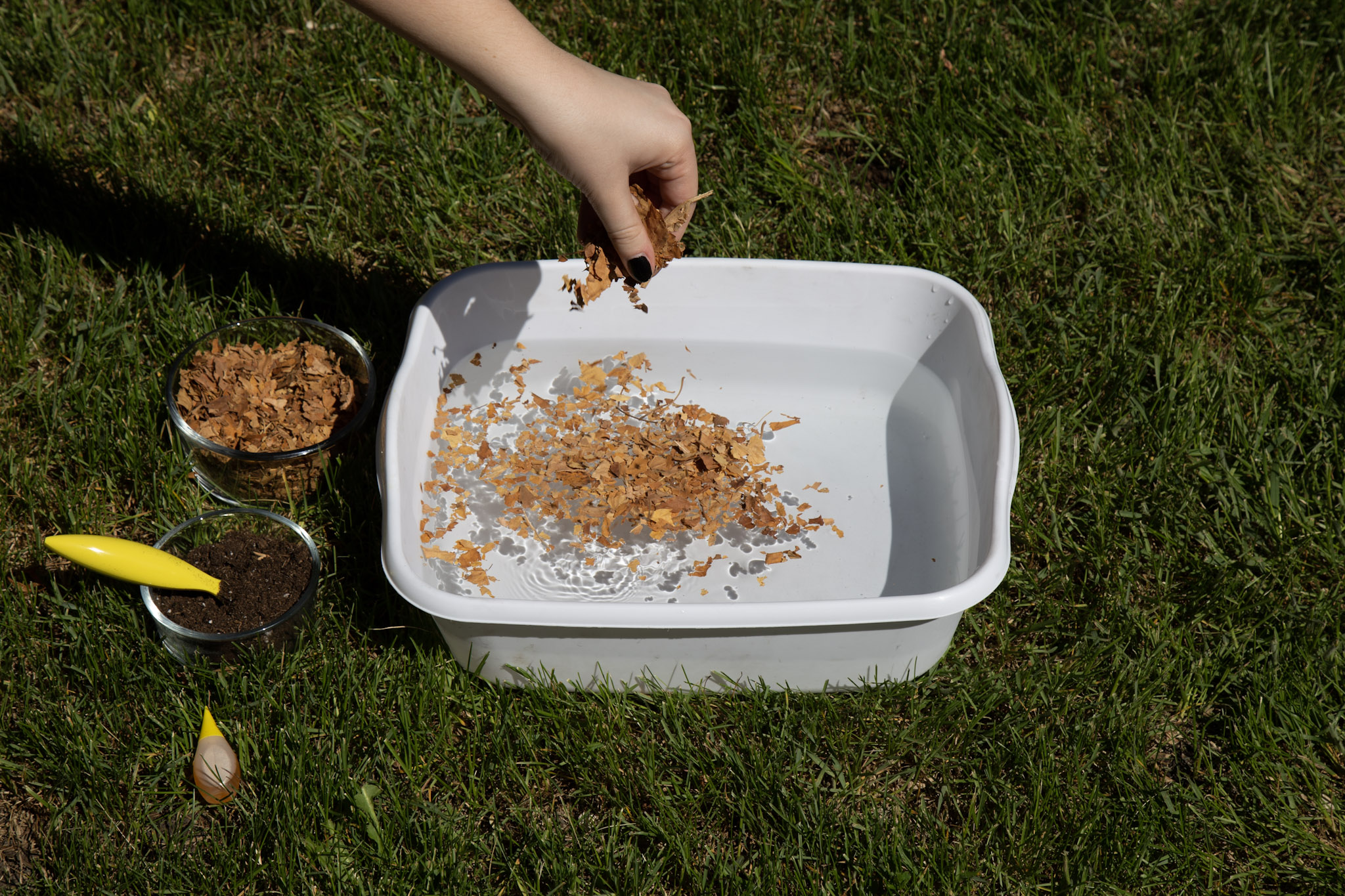
Step 2: Put in the leaves/woodchips/grass. Tell the child that this is like garbage and pollution that gets into the rivers, lakes, and oceans. Explain how this represents what happens when someone throws garbage into the lakes and rivers, or when someone throws garbage on the ground and the wind blows it into waterways. Get the child to try scooping out the “garbage” with a spoon. They can scoop it out onto the grass or into another bin. Ask them how they can prevent garbage pollution from happening. A few examples include: finding the right place to put your waste, recycling as often as possible, and reducing the use of single-use plastics.
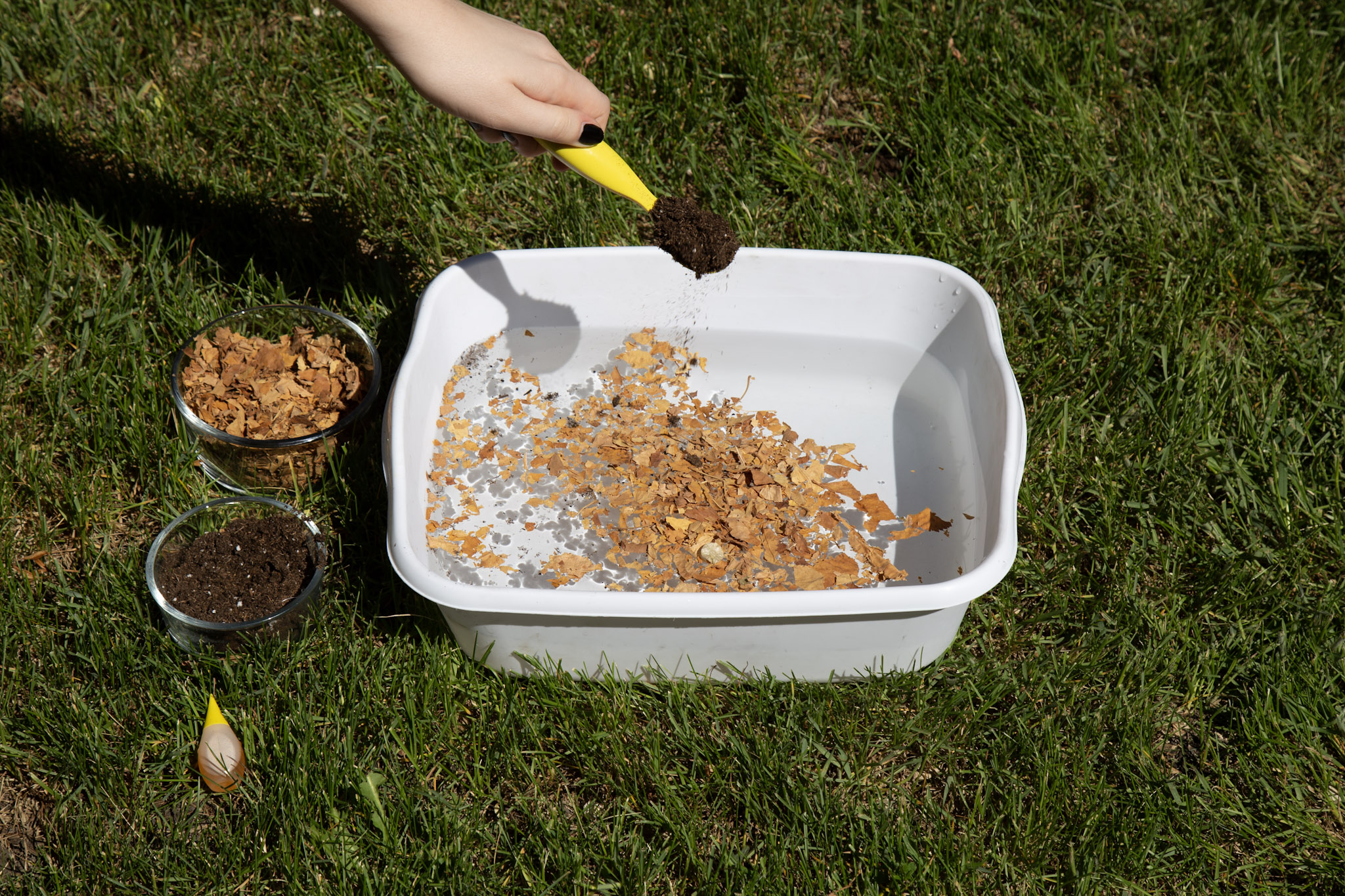
Step 3: Add the dirt to the water. Tell the child that the dirt is like sewage pollution. This is anything from when we flush in the toilet or pour things down the sink. Wait until the dirt has spread out and then ask the child to try and scoop it out. Ask them how they can help prevent sewage pollution. A few examples include not putting oils and greasy foods down the sink, using biodegradable soaps/detergents, etc.
Step 4: Add some drops of food colouring to the bin of water. Tell them this is like oil, gas, and chemical pollution that gets into the water. Ask the child to try and scoop this out with a spoon. Ask the child what they think causes chemical pollution in the water. Ask them ways they can help reduce this kind of pollution. Examples include choosing sustainable modes of transportation, not throwing trash into a bonfire, putting a sweater on rather than turning up the heat.
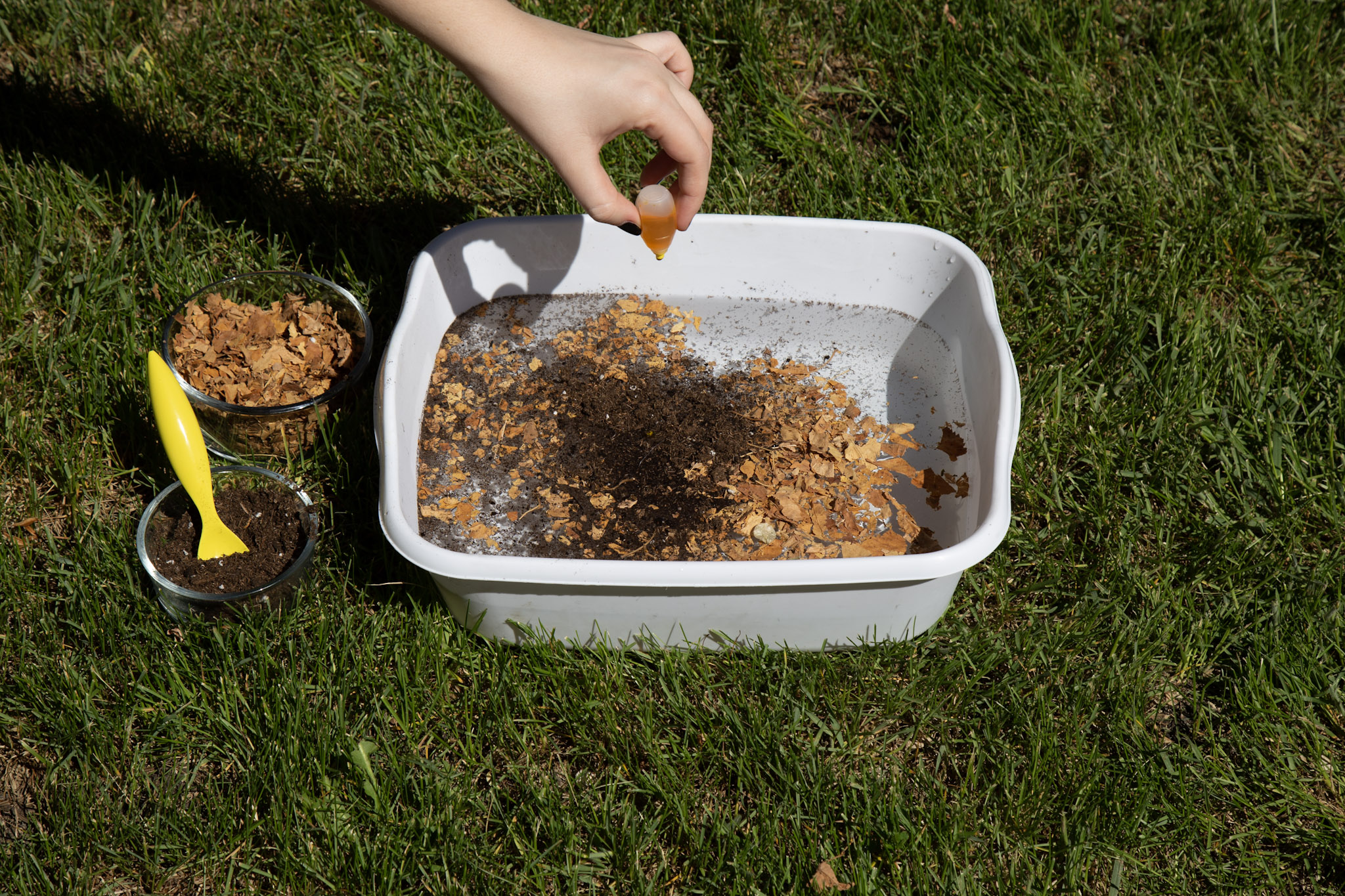
Step 5: After they have tried to scoop out all the “pollution,” ask them if it was easy. Ask them if they would like to swim in the “polluted” water. Ask them if they think it would be safe to drink. Tell them that it is very important to do our best to keep our rivers, lakes, and oceans clean and healthy. After you are finished with this activity, you can dump the extra water on your grass, into your compost, or onto a tree. All the materials used are safe for the environment!
More Resources
More Blog Posts
More Events
Other Presentations/Workshops
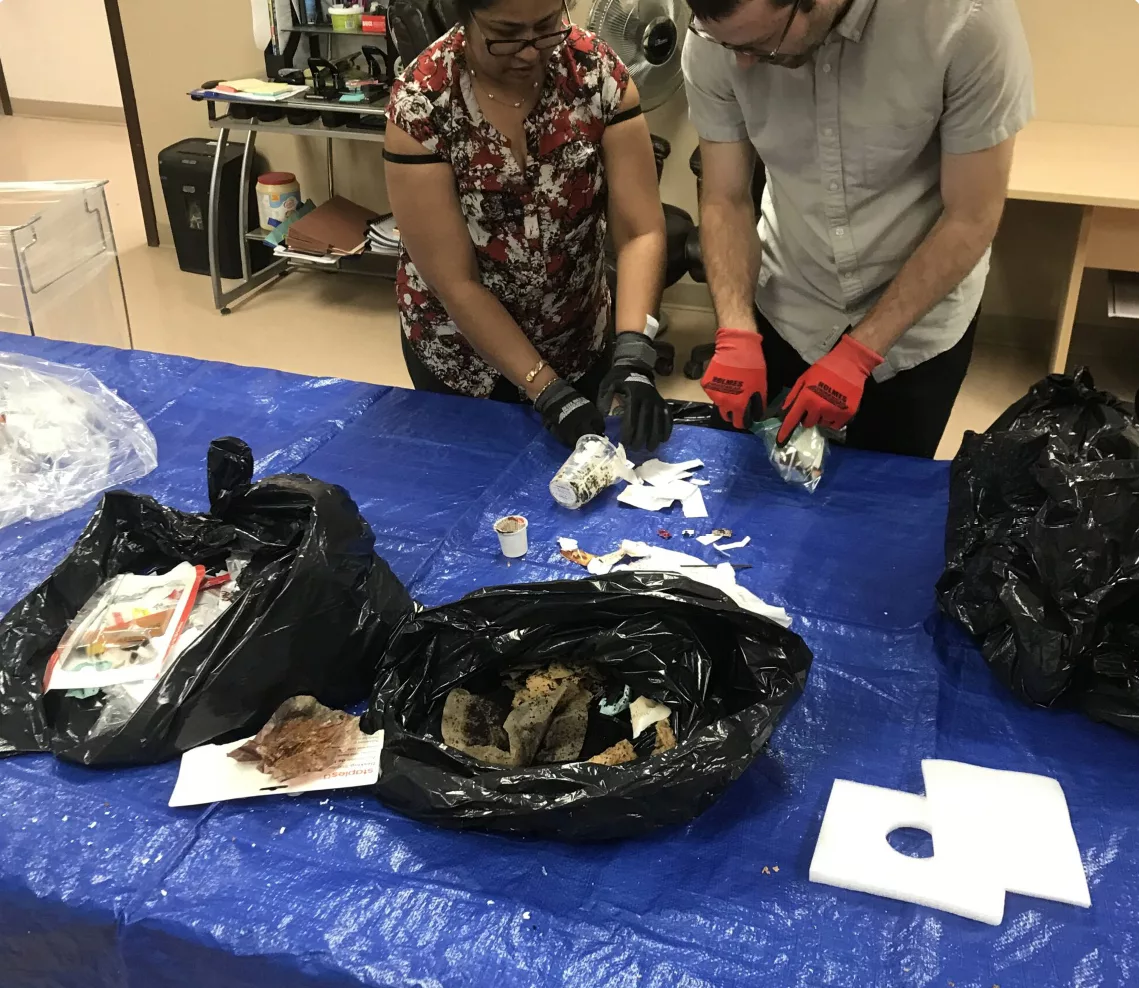
Bike Blender Rental
Bring something new to your next office party or event with Green Action Centre�s bike blender! Great for smoothies or frozen cocktails. This rental does not include Green Action Centre staff. Please email�asrts@greenactioncentre.ca�for availability and prices.
Bike Blender Rental
Bring something new to your next office party or event with Green Action Centre�s bike blender! Great for smoothies or frozen cocktails. This rental does not include Green Action Centre staff. Please email�asrts@greenactioncentre.ca�for availability and prices.
Greening the Workplace
Get highlights and helpful resources on how to reduce waste, increase recycling, save energy, improve commuting options, move toward a green procurement policy, and track progress.
Greening the Workplace
Get highlights and helpful resources on how to reduce waste, increase recycling, save energy, improve commuting options, move toward a green procurement policy, and track progress.
Buy Less, Fix More, Trade Often
Have you ever thought about the resources required to make your cell phone? Or what it took to produce the jeans you are wearing? From resource extraction to disposal, the materials economy has created a linear system of consumption on the finite planet we call home. This presentation covers ways to help our planet � buy�less,�fix�more, trade often, and divert all waste from the landfill.
Buy Less, Fix More, Trade Often
Have you ever thought about the resources required to make your cell phone? Or what it took to produce the jeans you are wearing? From resource extraction to disposal, the materials economy has created a linear system of consumption on the finite planet we call home. This presentation covers ways to help our planet � buy�less,�fix�more, trade often, and divert all waste from the landfill.
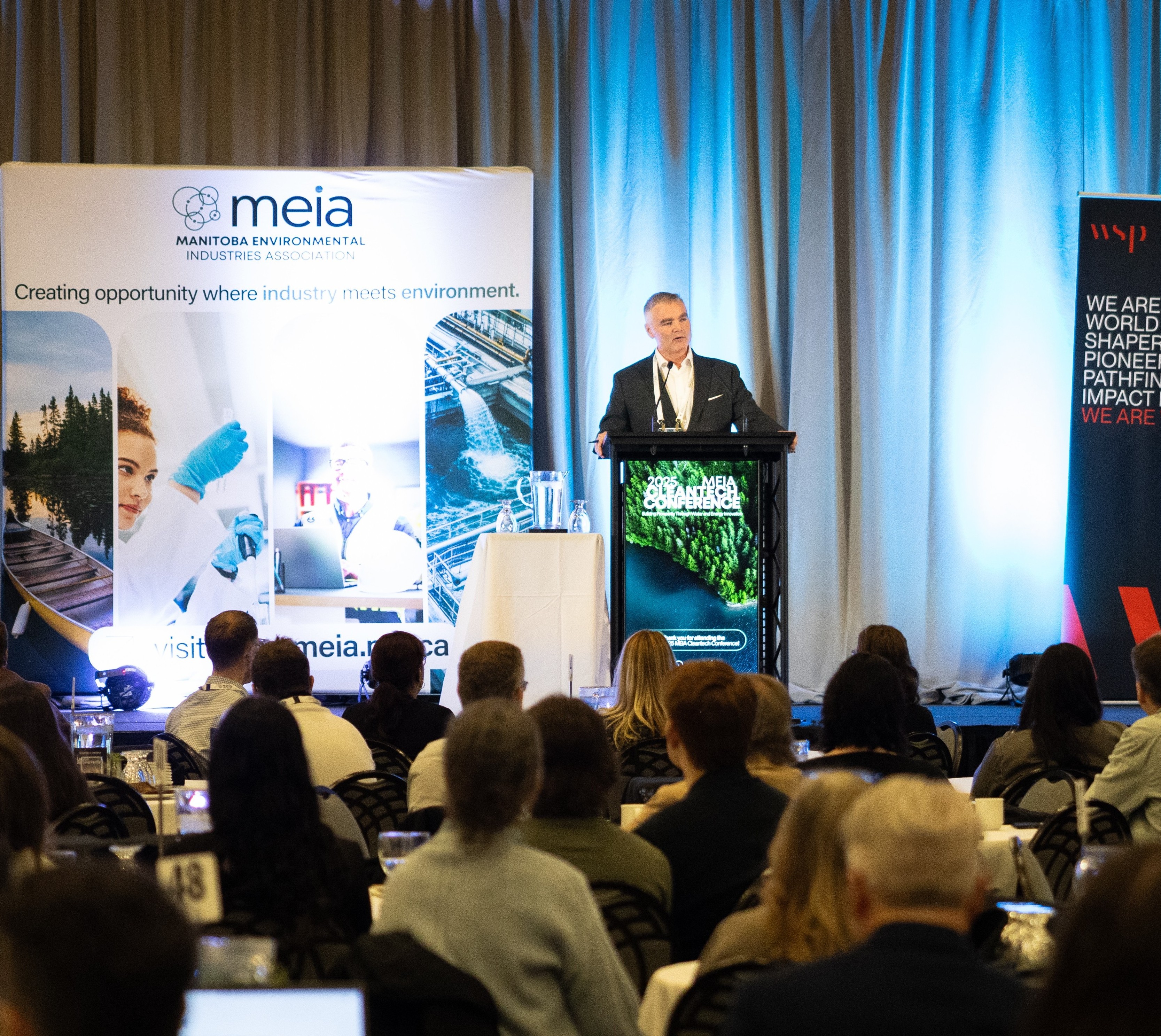
MEIA Cleantech Conference 2025 | A Recap
This past Tuesday, staff from Green Action Centre attended the Manitoba Environmental Industry Association Cleantech Conference.
MEIA Cleantech Conference 2025 | A Recap
This past Tuesday, staff from Green Action Centre attended the Manitoba Environmental Industry Association Cleantech Conference.
Webinar Wednesdays: Walk and Bike Buses - October 22nd
Getting the kids to and from school without a vehicle can be a challenge, but a bike bus can make it a lot easier!
Webinar Wednesdays: Walk and Bike Buses - October 22nd
Getting the kids to and from school without a vehicle can be a challenge, but a bike bus can make it a lot easier!