
What is the difference between local and sustainable food and how can buying it make a difference?
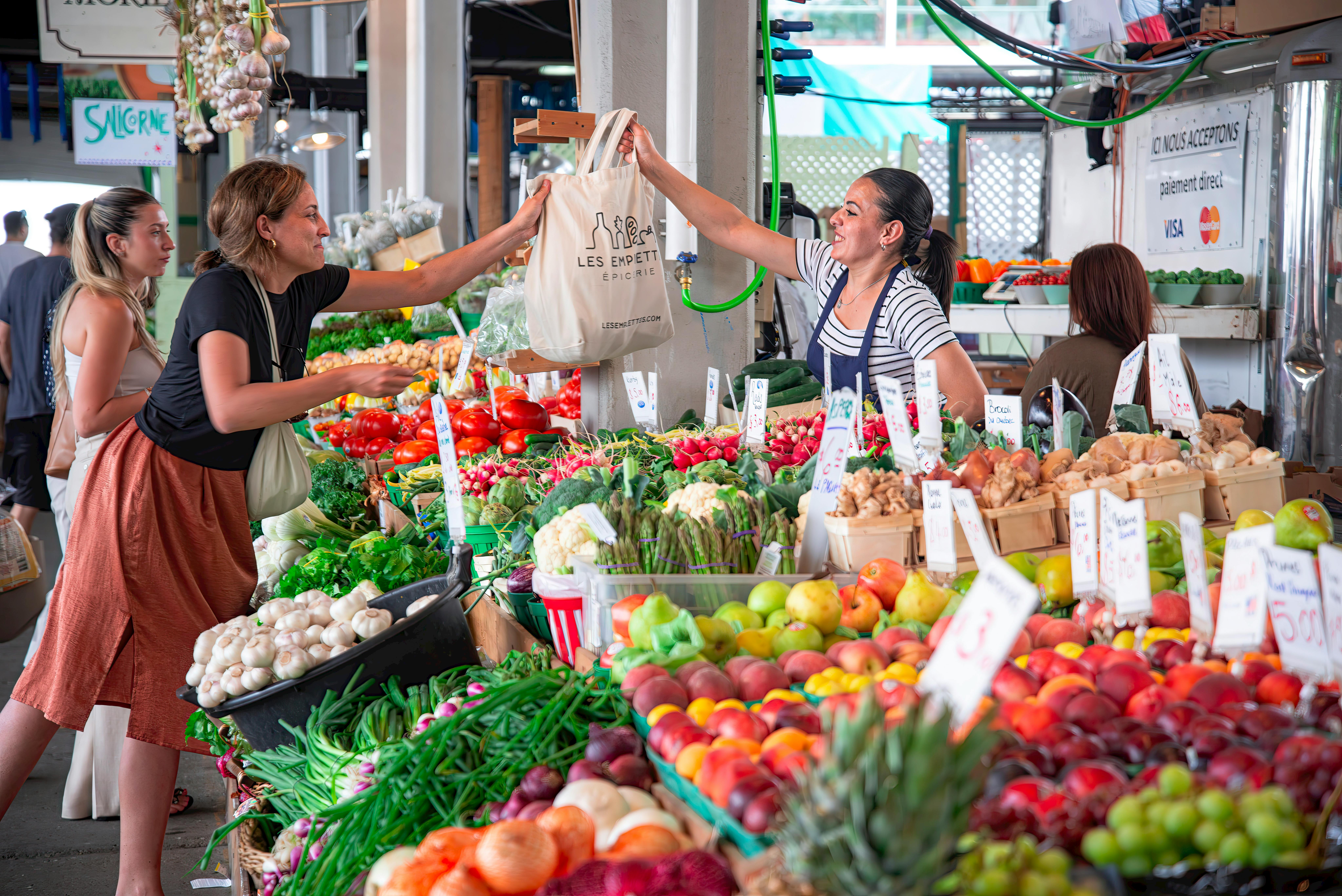
Local food – is food grown close to where it's bought and consumed. The main difference is that it doesn’t travel too far before it reaches your plate. Transporting food across long distances burns fossil fuels and emits greenhouse gases. By buying from local markets, it not only reduces the fossil fuel use and greenhouse gases, it also supports your local economy!
Sustainable food – has a lower impact on the environment by being produced in a socially responsible manner, even if it’s not always local. Food produced sustainably may even protect biodiversity, wildlife habitats, and respect workers. It should be noted that just because something is local, doesn’t always mean it’s produced sustainably. Local food may involve chemicals, fertilizers, factory farming, or hormone use. Therefore, when you buy local food, make sure to always ask and find out if the farmer or gardener used sustainable methods.
So where do you go if you want to buy local, sustainable food? Farmer's markets are one place to go to purchase food grown by local farmers. You’re able to interact with the farmers directly to ask them about the gardening process and how the food is grown.
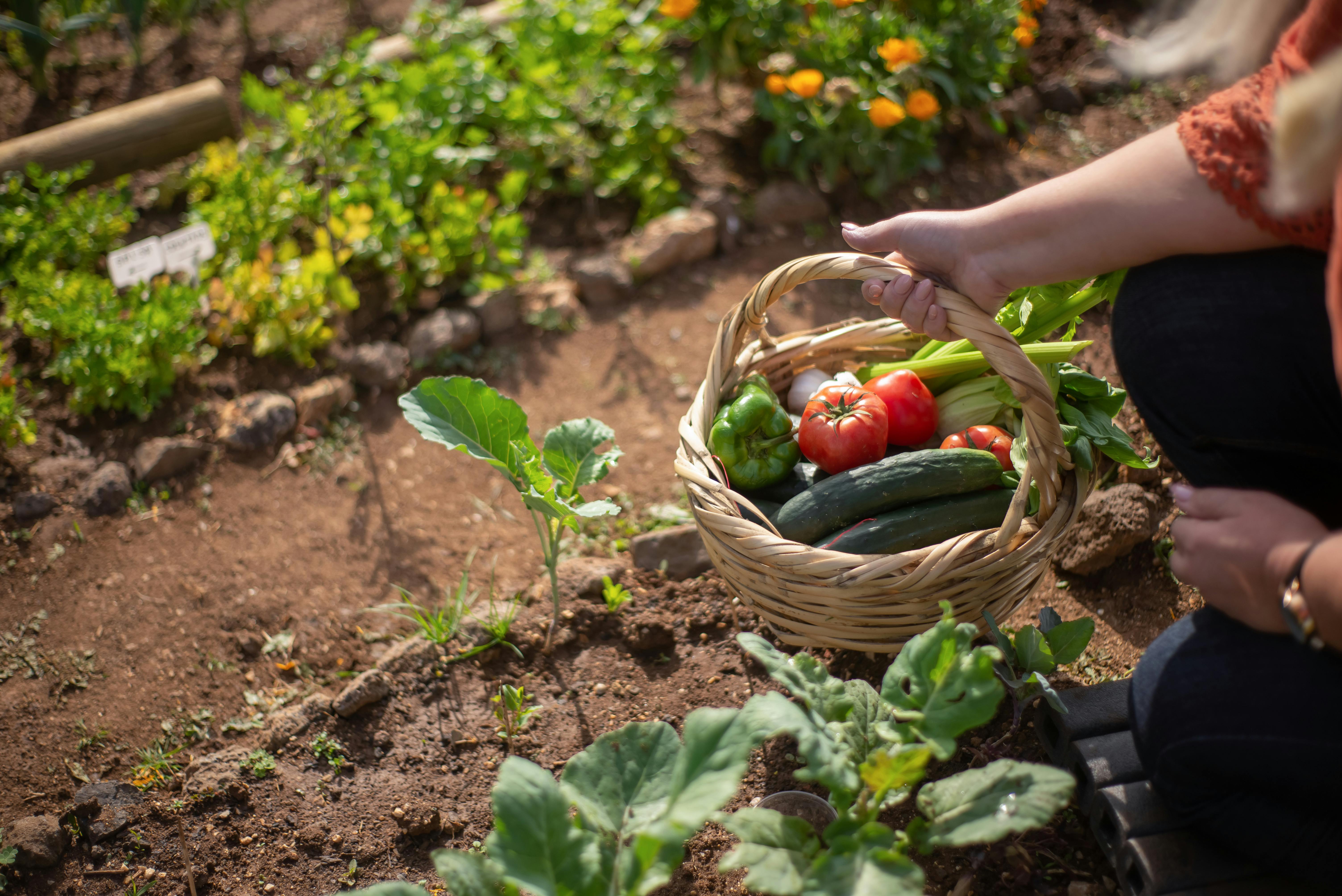
If you’d like to grow it yourself, community gardens may be for you. The land is shared collectively with people in the area, but each individual is able to plant vegetables for their own use. Not only do these gardens give a sense of community, they provide fresh produce, a connection to the environment and neighborhood improvement.
If you are unable to plant your own produce or make it to a farmer’s market, there are also food delivery options and local food restaurants. These options still allow people to be environmentally conscious but are more convenient! Remember, the key is to ask and stay informed about the food you buy!
More Resources
More Blog Posts
More Events
Other Presentations/Workshops


Active and Safe Routes to School Program Handbook
Our program handbook is full of ideas to get your school more active, with resources for special events, walking school buses, and other programs to get you started.
Active and Safe Routes to School Program Handbook
Our program handbook is full of ideas to get your school more active, with resources for special events, walking school buses, and other programs to get you started.